
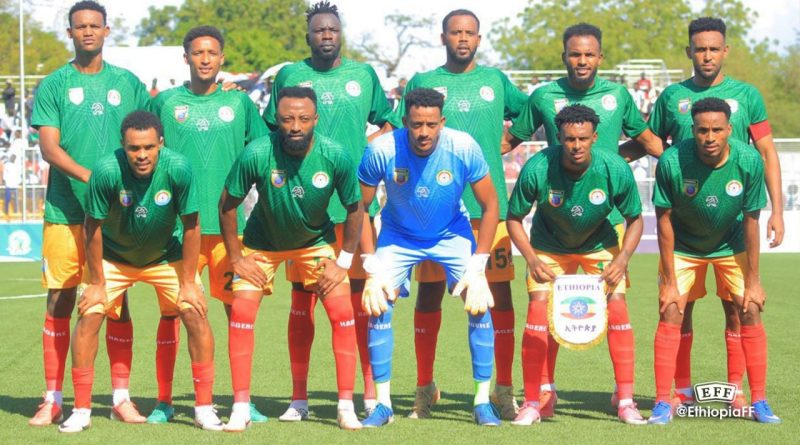
“We Paid the Price for Missed Chances”- Yohannes Sahle
Ethiopia head coach Yohannes Sahle admitted his side paid the price for failing to convert its chances after Sudan secured a 1-0 victory in their opening 2027 Africa Cup of Nations qualifier in Juba on Friday.
Image Credit: EFF Offical Page
The match appeared to be heading towards a goalless draw until Mohamed Eisa converted a late penalty in the 86th minute, giving Sudan three points in Group J. The result put Sudan at the top of the group after Senegal and Mozambique drew 1-1 in the other opening fixture.
For Ethiopia, however, the result was less about a lack of opportunities than the inability to turn them into goals.
Yohannes had stressed before the match that previous results would have little relevance once the two teams stepped onto the pitch, saying that “what happens in the 90 minutes decides the game.” After the defeat, he acknowledged that Ethiopia had opportunities to change the outcome.
“We should have finished the game with the chances we got early on,” Yohannes said.
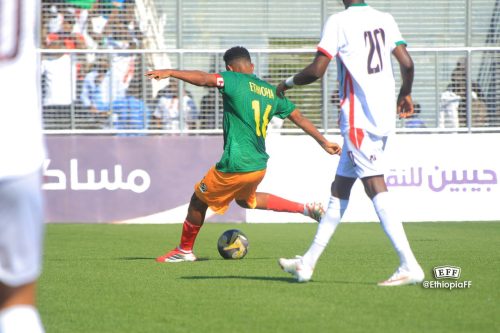
According to Pan-Africa Football’s match report, Ethiopia came close to taking the lead shortly before half-time when Birhanu Bekele’s goal-bound effort was blocked inside the Sudanese penalty area. Ethiopia also had its clearest opportunity late in the second half, with Sudan goalkeeper Mohamed Mustafa making a double save to deny Chernet Gugsa and Carlos Damtew in the 77th minute.
Those missed opportunities ultimately proved costly. Sudan continued to threaten and eventually earned the penalty that Eisa converted four minutes before full time. Other match reports also recorded the game as a largely tight contest before Sudan found the decisive breakthrough late in the match.
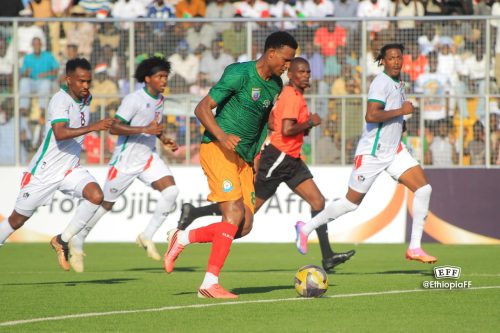
Yohannes said Ethiopia’s overall movement was positive but identified finishing as the main problem.
“Apart from the finishing, our movement today was good. Our main problem was finishing,” he said.
Yohannes was also asked about the penalty that decided the match. He avoided making a definitive judgment because he had not yet watched the incident himself.
“I have not seen the video, so I don’t want to say whether it was a penalty or not,” he said. However, he added that players and journalists had told him that the Ethiopian player had not committed a foul and that the penalty should not have been awarded.
Rather than concentrating on the referee,Yohannes said Ethiopia needed to take responsibility for the opportunities it had created.
“We should have done our own homework and finished the game earlier,” he said, arguing that taking those chances could have prevented the match from reaching a situation in which a late penalty decided the result.
“Football is like this. If you don’t finish the game early with the chances you create, you pay the price. We have paid the price,” Sahle said.
The defeat came despite Ethiopia showing periods of attacking threat, particularly through quick transitions. The match report from Pan-Africa Football noted that Sudan had opportunities of its own, while Ethiopia’s best chances came at important moments when the game remained level.
Yohannes also praised the atmosphere inside the stadium, describing it as a genuine football environment with supporters from both sides. He said there were no major incidents and that the presence of Ethiopian supporters in South Sudan had provided encouragement for his players.
The coach insisted, however, that the opening defeat would not determine Ethiopia’s entire qualifying campaign.
“This is a 90-minute game. It is over now. It was one game and it is finished. Yes, we lost the game, but it is over. We have five games remaining, and those five games are what we have to think about,” Yohannes said.
Ethiopia will now turn its attention to Senegal, with the second Group J fixture scheduled for September 29 in Bahirdar Stadium. CAF’s schedule confirms that Ethiopia will host Senegal while Mozambique face Sudan in the other Group J match.
“Now we are thinking about the game we have against Senegal in three days,” Yohannes said. “Whether the referee gave the penalty or not, the game is over. Now we are thinking about the next game.”
For Ethiopia, the challenge is therefore immediate turn the chances created in Juba into goals when the qualifying campaign continues against Senegal.


